Fungal Alpha-Amylase for Fermented Cereal Foods
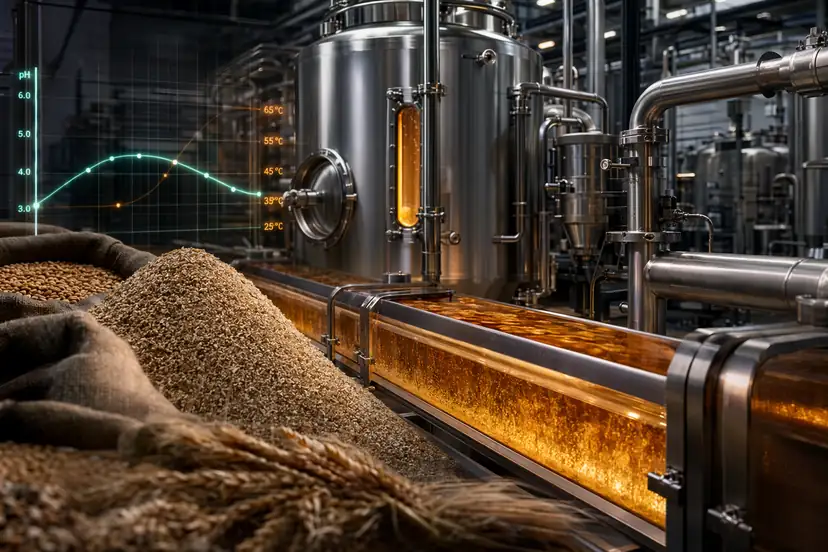
Fermented cereal systems depend on carbohydrate availability. Fungal Alpha-Amylase helps convert cereal starch into shorter dextrins and fermentable carbohydrates, supporting microbial activity in grain-based foods and beverages where predictable fermentation, manageable viscosity, and clean cereal character matter.
Use it in wheat, rice, corn, barley, sorghum, oat, rye, and mixed-grain substrates for applications such as cereal beverages, sourdough systems, fermented grain bases, rice fermentations, malt-style preparations, and specialty food ferments.
Fungal Alpha-Amylase Solutions supplies fungal alpha-amylase in bulk to fermented-food and cereal-beverage manufacturers, ingredient blenders and the distributors who serve them. Every order is quoted individually: send the cereal substrate, the product, your volume and the destination.
Wholesale and bulk supply for manufacturers, distributors and resellers. Every fungal alpha-amylase order is quoted individually. Request a quote with the application, the quantity you need and the destination country.
What it does in cereal fermentation
Fungal Alpha-Amylase hydrolyzes internal alpha-1,4 starch bonds, reducing long starch chains into smaller carbohydrates that are more accessible to yeasts, lactic acid bacteria, koji-associated systems, and other fermentation cultures.
In practical terms, it can help production teams:
- Increase available fermentable carbohydrate from gelatinized or hydrated cereal starch
- Reduce mash, slurry, or batter viscosity for easier mixing, pumping, and heat transfer
- Improve fermentation consistency when cereal raw materials vary by season or crop origin
- Support controlled acid, alcohol, aroma, and flavor development through better substrate availability
- Shorten or stabilize fermentation windows where carbohydrate release is the limiting factor
- Improve solids handling in cereal beverage and fermented grain-base processes
Application fit
Cereal beverages and grain-based drinks
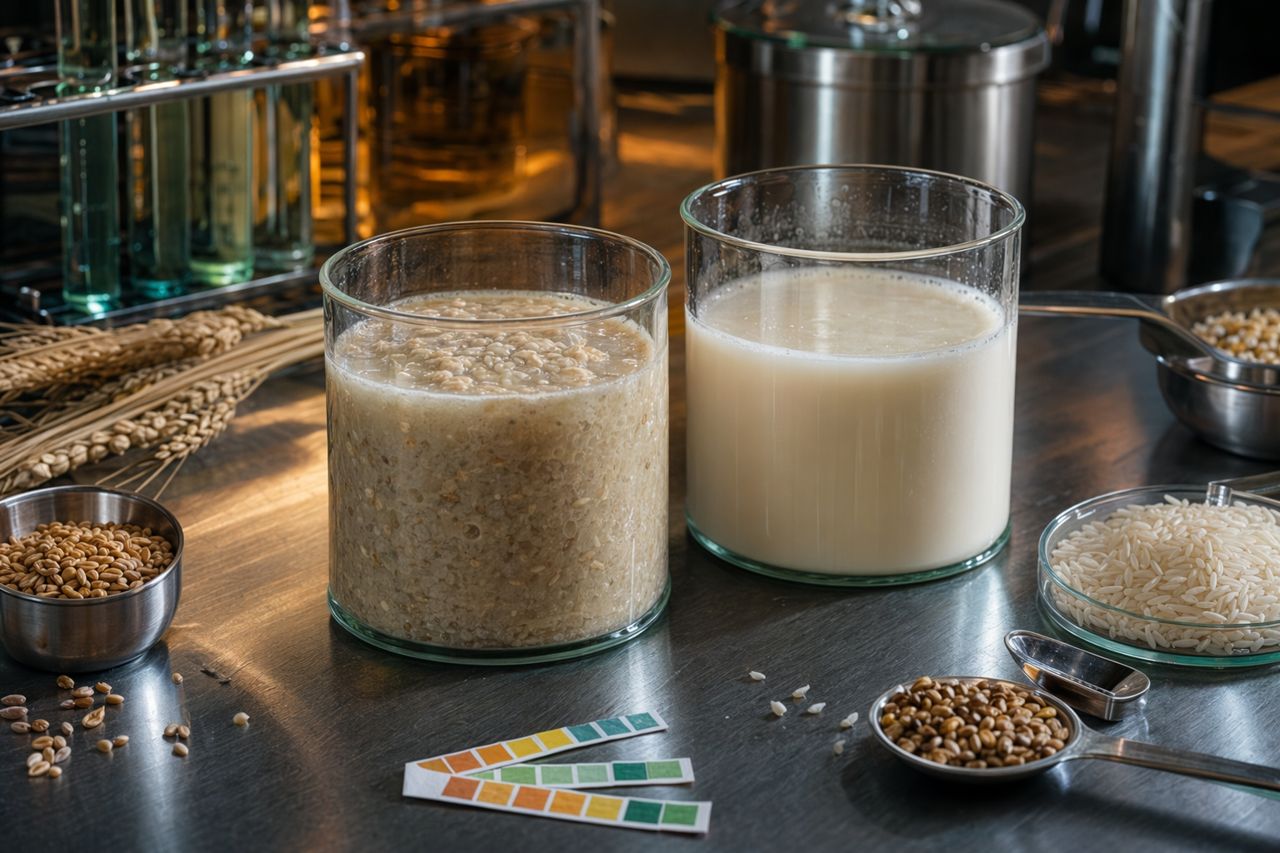
In rice, corn, barley, oat, or mixed-grain beverage bases, Fungal Alpha-Amylase can be introduced after starch hydration or gelatinization to release soluble carbohydrates and lower viscosity before fermentation or culture addition.
It is especially useful when the process needs improved flow, more consistent extract, and a smoother transition from cooked grain slurry to fermentable liquid phase.
Sourdough and fermented bakery systems
In sourdough, sponge, and preferment systems, controlled amylase activity can support yeast and lactic acid bacteria by improving carbohydrate availability. The result is not simply “more sugar” — it is a more predictable fermentation substrate that can influence proofing behavior, acidification, crust color, and grain aroma.
For bakery use, dosage discipline matters. Excessive starch breakdown may soften structure or increase stickiness, so pilot validation should match the flour system, fermentation time, hydration, and thermal kill step.
Rice, koji-style, and specialty cereal ferments
Where cereal starch is converted before or during microbial fermentation, Fungal Alpha-Amylase can complement endogenous grain enzymes or culture-derived enzyme systems. It can help standardize conversion when grain enzyme contribution is variable or insufficient.
For complex fermentations, it is often evaluated alongside culture selection, pH trajectory, solids loading, cooking profile, and final heat treatment.
Processing guidance
Fungal Alpha-Amylase performs best when starch is hydrated and accessible. In cereal processes, this often means adding it after cooking, steaming, mashing, or gelatinization, once the substrate has cooled into the enzyme’s practical working range.
Typical evaluation points include:
- Substrate type and starch accessibility
- Solids concentration and slurry viscosity
- Process pH, usually in the mildly acidic to near-neutral range
- Temperature profile during conversion and fermentation
- Hold time before culture addition or heat inactivation
- Desired residual dextrin profile, sweetness, acidity, alcohol formation, or extract yield
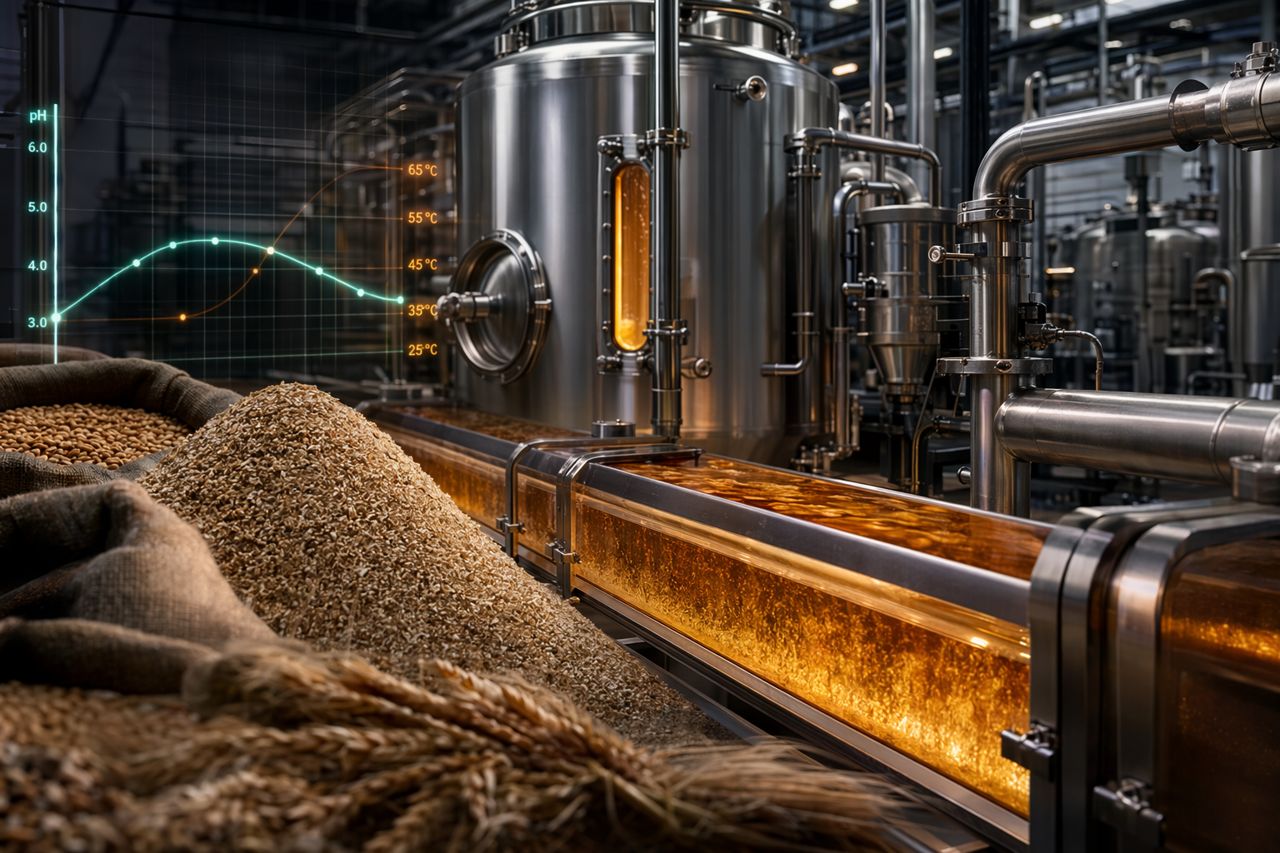
The enzyme is commonly used in process windows around mildly acidic pH and moderate warm temperatures. Exact conditions should be confirmed in your substrate, because cereal variety, milling profile, thermal history, and water chemistry can materially change performance.
Benefits for production teams
More consistent fermentation behavior
Raw grain variability can create inconsistent carbohydrate release. A defined Fungal Alpha-Amylase step gives production teams a controllable lever for improving feedstock consistency before fermentation begins.
Better viscosity control
Long starch chains can create thick, difficult-to-handle slurries. Controlled amylase treatment reduces viscosity, improving mixing, pumping, heat transfer, filtration, and downstream separation.
Cleaner process economics
Improved starch conversion may reduce rework, shorten hold times, improve extract utilization, or reduce dependence on raw material enzyme variability. The commercial value depends on the process, but the mechanism is straightforward: make more of the cereal substrate available to the fermentation system.
Sensory alignment
Because it supports carbohydrate release rather than adding flavor directly, Fungal Alpha-Amylase can help preserve grain-forward sensory profiles while enabling fermentation to express acidity, aroma, alcohol, or sweetness in a controlled way.
Formulation and trial design
For pilot work, define the target outcome before selecting the addition point. Common targets include faster fermentation start, lower viscosity, higher soluble extract, improved acidification, more predictable sweetness, or better solids processing.
Recommended pilot variables:
- Addition point: post-cook, mash conversion, pre-fermentation, or early fermentation
- Hold profile: conversion time and temperature before culture addition or inactivation
- Substrate preparation: milling, hydration, cooking, and gelatinization level
- Compatibility: yeast, lactic cultures, koji systems, adjunct enzymes, salt, acids, and preservatives
- Termination: pasteurization, baking, drying, chilling, or pH drop
- Quality checks: viscosity, soluble solids, fermentation rate, pH curve, aroma, texture, and final carbohydrate profile
Quality, documentation, and supply
Fungal Alpha-Amylase Solutions supports B2B purchasing teams with documentation appropriate for food manufacturing review, including technical data, safety data, specification alignment, allergen statements where applicable, lot documentation, and regulatory support based on destination market requirements.
Available supply discussions may cover:
- Food-grade liquid or powder format options, where applicable
- Packaging suited to pilot, scale-up, and production use
- Shelf-life and storage recommendations
- Lot-to-lot specification control
- Sample availability for application trials
- Lead time planning for recurring production
When to choose Fungal Alpha-Amylase
Choose Fungal Alpha-Amylase when your fermented cereal process needs controlled starch dextrinization under food fermentation conditions, especially where viscosity reduction and fermentable carbohydrate release must be balanced against texture, flavor, and microbial performance.
It is a strong fit when the goal is not aggressive starch liquefaction alone, but a measured conversion step that supports fermentation quality and production repeatability.
Ready for a quote? Use the inquiry form at the foot of this page. Tell us the product or application, the quantity, your preferred format and the delivery country. We quote price and lead time per order and tell you which documents are available for that grade.
Request pricing or a technical sample
Share your cereal substrate, process temperature range, pH range, fermentation culture, target outcome, and expected monthly volume. Fungal Alpha-Amylase Solutions will help align the enzyme format, trial plan, documentation package, and commercial supply path.
Go to the inquiry form