Common Formulation Questions About Fungal Alpha-Amylase
Fungal Alpha-Amylase is often selected when a process needs controlled starch conversion without the more aggressive heat tolerance associated with some bacterial amylases. For bakery, brewing, cereal, and starch-based applications, the value is practical: improve fermentable sugar availability, tune dough or mash behavior, support color development, and reduce formulation variability.
This FAQ is written for teams comparing enzyme options before purchase. It focuses on application fit, compatibility, processing behavior, and sourcing confidence.
It is written for manufacturers, blenders and distributors buying fungal alpha-amylase in bulk. Fungal Alpha-Amylase Solutions does not sell to consumers; every order is quoted individually.
Wholesale and bulk supply for manufacturers, distributors and resellers. Every fungal alpha-amylase order is quoted individually. Request a quote with the application, the quantity you need and the destination country.
What does Fungal Alpha-Amylase do in a formulation?
Fungal Alpha-Amylase hydrolyzes internal alpha-1,4 bonds in gelatinized or hydrated starch. In practical terms, it helps break larger starch fractions into shorter dextrins and fermentable sugars.
Depending on the substrate and process, this can support:
- More available sugars for yeast fermentation
- Improved loaf volume and crust color in baked goods
- Softer crumb and delayed firming in selected bakery systems
- Better mash liquefaction and extract development in brewing or cereal processing
- More consistent performance when flour or grain quality varies by season
It is not a one-size-fits-all starch solution. It should be selected against the product target, process temperature profile, pH, hold time, and tolerance for residual sweetness or dextrin production.
When should we choose fungal alpha-amylase instead of bacterial alpha-amylase?
Choose fungal alpha-amylase when you want starch conversion with a narrower process window and lower persistence after high-heat steps.
It is commonly considered when the target is:
- Controlled sugar release in dough systems
- Reduced risk of excessive residual amylase activity after baking
- Improved fermentation support without pushing gummy texture
- Moderate starch modification rather than deep liquefaction
- Performance in mildly acidic food or beverage systems
Bacterial alpha-amylase may be better suited for high-temperature liquefaction or harsher starch-processing conditions. Fungal alpha-amylase is often preferred where precision, sensory outcome, and controlled deactivation are more important than maximum thermal endurance.
Which applications are the best fit?
Bakery
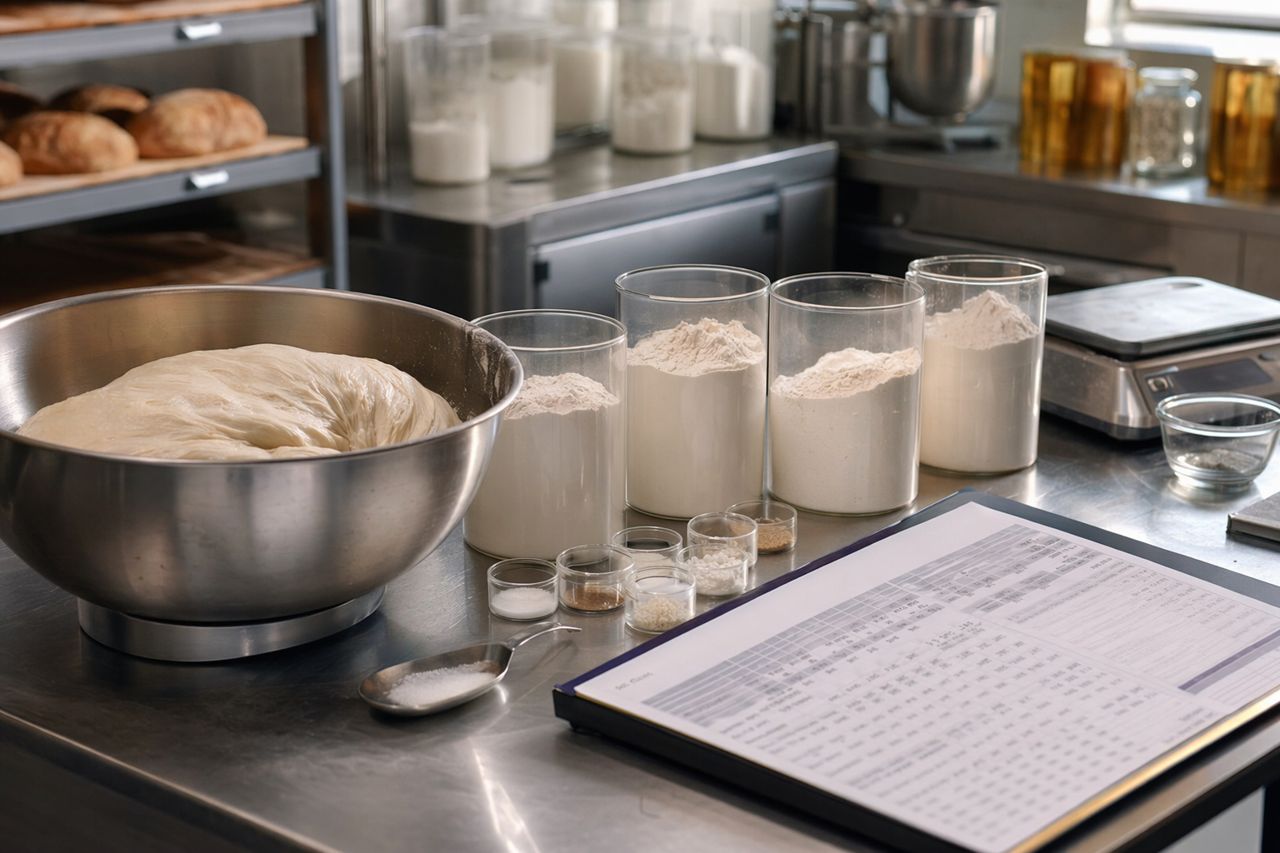
In bread, buns, rolls, and some laminated or fermented doughs, fungal alpha-amylase can help provide fermentable sugars for yeast, support volume, improve crust color, and contribute to crumb softness.
It is especially useful when flour has low natural amylase activity or when production teams need more stable results across flour lots.
Brewing and malt-based processing
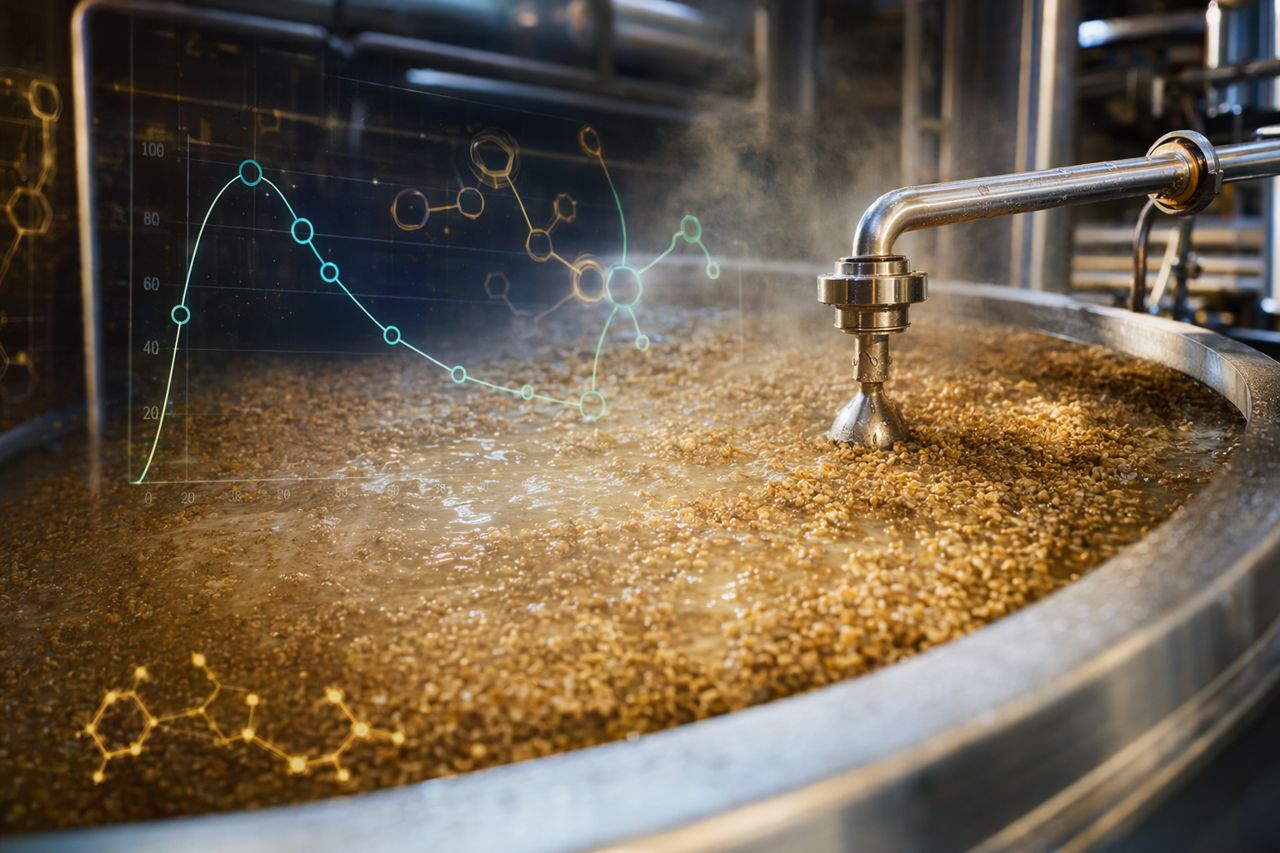
In brewing and malt-adjacent processes, fungal alpha-amylase can support starch breakdown and sugar development where the raw material or mash profile needs reinforcement. It is typically evaluated alongside malt quality, adjunct level, mash temperature, pH, and filtration behavior.
Cereal, grain, and starch-based foods
For cooked cereal systems, grain slurries, and starch-rich intermediates, fungal alpha-amylase can help adjust viscosity and dextrin profile. The best results come from matching enzyme selection to moisture, heat history, pH, and residence time.
What are the main signs of underuse or overuse?
Possible signs of underuse
- Slow or uneven fermentation
- Pale crust color in baked goods
- Lower loaf volume than expected
- Firming or staling earlier than target
- High viscosity in grain or starch slurries
- Inconsistent extract from variable flour or grain
Possible signs of overuse
- Sticky or gummy crumb
- Excessive softness or weak internal structure
- Darker-than-target crust color
- Too much fermentable sugar release
- Process drift when hold times increase
- Unexpected sweetness or texture change
The right addition level is application-specific. It should be confirmed by bench trials and pilot runs using the same flour, grain, starch source, process time, and heat profile used in production.
How does pH affect performance?
Fungal alpha-amylase is generally well matched to mildly acidic food and fermentation systems. It is commonly evaluated in doughs, mashes, and grain systems where pH sits in the practical range used by yeast, malt, and cereal processing.
If the formulation is strongly acidic, strongly alkaline, or includes acidulants added early, performance should be verified under the actual process sequence. pH shifts can change both the rate of starch conversion and the consistency of lot-to-lot results.
Practical recommendation: test at the pH you actually run, not only at the pH of the incoming slurry or dough.
How does temperature affect performance?
Fungal alpha-amylase performs best when starch is hydrated and accessible. Temperature affects three things at once:
- Starch swelling or gelatinization
- Enzyme reaction rate
- Enzyme stability over time
In bakery, activity during mixing, proofing, and early heating can be useful, while later oven temperatures help limit carryover. In mash or slurry systems, the heat profile should be controlled so the enzyme has enough time to act before conditions become too severe.
Practical recommendation: evaluate the full temperature curve, including ramp rate and hold time. A short high-temperature exposure is not the same as a long hold at elevated temperature.
Is it compatible with yeast?
Yes, fungal alpha-amylase is commonly used in yeast-leavened systems. It can support yeast by increasing the availability of fermentable sugars from starch.
However, the goal is balance. Too little conversion may limit fermentation and color. Too much conversion may create excess softness, stickiness, or darker bake color. Yeast level, proof time, flour quality, sugar addition, and enzyme addition should be evaluated together.
Is it compatible with other enzymes?
Often, yes. Fungal alpha-amylase is frequently considered alongside other functional enzymes, but compatibility depends on the finished-product target.
Common pairing considerations:
- Xylanase: may improve dough handling and volume in wheat systems; watch for excessive softness when combined with amylase.
- Protease: can improve extensibility but may weaken structure if paired aggressively.
- Glucoamylase: increases glucose release; useful in some fermentations but may increase sweetness or fermentation rate.
- Lipase or phospholipase: can support dough strength and volume; evaluate texture and crumb resilience.
- Maltogenic amylase: often used for anti-staling; should be balanced carefully with fungal alpha-amylase to avoid texture drift.
Use combination trials rather than assuming additive effects. Enzymes can interact through water absorption, dough rheology, fermentation rate, and heat-stage timing.
Is it compatible with common bakery ingredients?
Fungal alpha-amylase is generally compatible with standard bakery matrices, but performance can shift with formulation intensity.
Ingredients to watch
- High sugar: can reduce water availability and slow starch access.
- High fat: can change dough structure and heat transfer.
- Salt: may affect yeast performance and dough behavior, indirectly changing amylase impact.
- Organic acids or acid salts: may shift pH outside the most useful range.
- Emulsifiers and oxidants: can change dough strength, making amylase effects appear stronger or weaker.
- Preservatives: may influence yeast and fermentation timing, affecting the perceived benefit.
The enzyme should be tested in the complete formula, not only in a simplified flour-water system.
Can it correct poor flour quality?
It can help manage some flour variability, especially when natural amylase activity is low. It cannot fully compensate for weak gluten quality, damaged starch extremes, poor protein functionality, incorrect absorption, or inconsistent mixing.
Use fungal alpha-amylase as one control point within a broader flour quality program. For production teams, the strongest approach is to track flour certificate data, dough handling, proof response, bake color, crumb firmness, and complaint trends together.
Does it affect label, allergen, or certification requirements?
Label and declaration requirements depend on jurisdiction, final use, carrier system, and processing conditions. Procurement teams should request current documentation before approval.
Typical documentation to review:
- Product specification
- Certificate of analysis
- Safety data sheet
- Allergen statement
- Food-grade statement
- Country of origin or manufacturing origin where required
- GMO status statement where applicable
- Halal or kosher documentation if needed
- Carrier and excipient declaration
- Recommended storage and shelf-life information
For export or regulated categories, confirm requirements with your internal regulatory team before commercial ordering.
Powder or liquid: which format should we use?
Both formats can work. The best choice depends on your plant layout, dosing method, operator practice, and dust-control requirements.
Powder format may fit when:
- Dry premix handling is already established
- The enzyme is blended into flour or a dry micro-ingredient system
- Storage stability and shipping efficiency are priorities
Liquid format may fit when:
- Metered addition into water, slurry, or mash is preferred
- Dust minimization is important
- The process uses automated liquid dosing
Whichever format is selected, accuracy of addition and distribution matters. Poor dispersion can create uneven fermentation, texture variation, or localized over-conversion.
How should we run a first production trial?
A good first trial should isolate the enzyme’s contribution without changing too many variables at once.
Recommended trial structure:
- Define the target: volume, color, softness, viscosity, extract, fermentation speed, or process stability.
- Run a control with the current process.
- Test a low, medium, and high addition level based on supplier guidance.
- Keep flour or grain lot, mixing, hydration, proof, temperature, and hold time consistent.
- Record process observations, not just finished-product results.
- Evaluate after production and again after the normal shelf-life interval.
- Confirm the selected condition in a second run before approval.
If the formula already includes enzyme blends, test fungal alpha-amylase both alone and in combination so the actual contribution is clear.
What should purchasing ask before placing an order?
Procurement confidence comes from more than price. Before buying, confirm:
- Application fit for your process and substrate
- Format, carrier, and handling requirements
- Shelf life and storage conditions
- Lot documentation availability
- Lead time and pack size options
- Regulatory and certification documentation
- Technical support for trial interpretation
- Consistency expectations from lot to lot
For production-critical use, consider qualifying more than one lot during development so the approved addition strategy is not based on a single sample.
What information should we provide to get an accurate recommendation?
The more specific the process data, the better the recommendation.
Helpful details include:
- Application type and finished-product target
- Flour, grain, adjunct, or starch source
- Current formulation and known enzyme ingredients
- pH, temperature curve, and hold time
- Mixing, proofing, mashing, cooking, or baking sequence
- Current problem: low volume, pale color, viscosity, slow fermentation, staling, extract loss, or variability
- Preferred format: powder or liquid
- Required documentation or certifications
- Estimated monthly or annual demand
You do not need to disclose proprietary formula percentages to begin the conversation. A practical process summary is usually enough for initial fit screening.
Ready for a quote? Use the inquiry form at the foot of this page. Tell us the product or application, the quantity, your preferred format and the delivery country. We quote price and lead time per order and tell you which documents are available for that grade.
Request a quote or technical fit check
If you are evaluating Fungal Alpha-Amylase for bakery, brewing, cereal, or starch-based production, send your process context and purchasing requirements. Fungal Alpha-Amylase Solutions can help you narrow the format, trial approach, and documentation package before you buy.
Go to the inquiry form