How Fungal Alpha-Amylase Works on Starch
Fungal Alpha-Amylase is used when a process needs controlled starch breakdown rather than aggressive liquefaction. In bakery, brewing, cereal processing, fermentation, and starch-based formulations, it converts accessible starch into shorter dextrins and fermentable sugars that influence viscosity, yeast nutrition, browning, crumb softness, and process flow.
The practical value is not simply that it “breaks down starch.” It is where it acts, how fast it releases soluble carbohydrates under real processing conditions, and how teams can stop or limit that activity before quality drifts.
Fungal Alpha-Amylase Solutions supplies fungal alpha-amylase in bulk to manufacturers, flour mills, brewers, starch processors and the distributors who serve them. Every order is quoted individually.
Wholesale and bulk supply for manufacturers, distributors and resellers. Every fungal alpha-amylase order is quoted individually. Request a quote with the application, the quantity you need and the destination country.
The core mechanism: internal cuts in starch chains
Starch is built mainly from two glucose polymers:
- Amylose — mostly linear chains.
- Amylopectin — branched chains with many accessible regions once hydrated and heated.
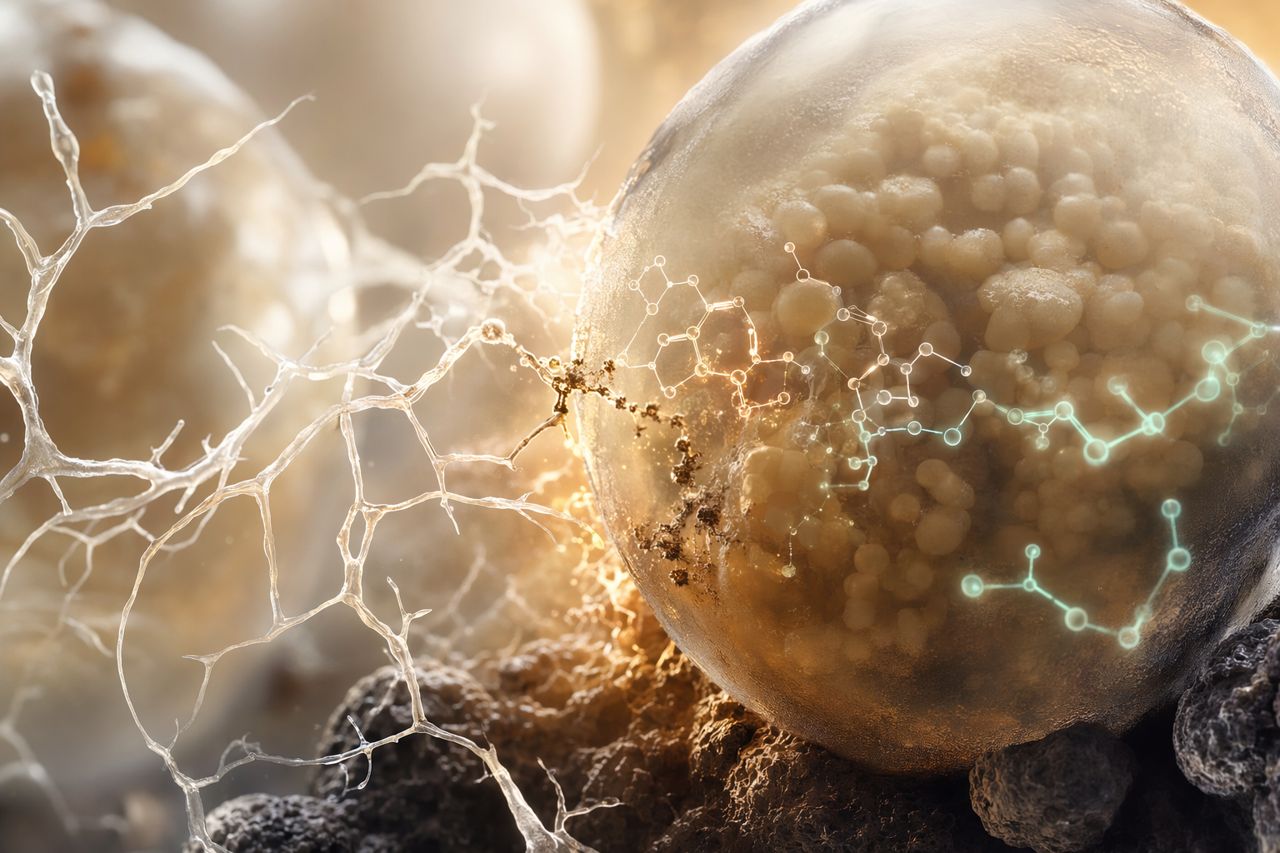
Fungal Alpha-Amylase acts primarily as an endo-amylase. Instead of trimming glucose units only from chain ends, it cuts internal alpha-1,4 glycosidic bonds within starch chains. That internal action rapidly reduces molecular size and changes how starch behaves in water.
As the chains shorten, the system can show:
- Lower paste or slurry viscosity.
- More soluble dextrins.
- Increased maltose and related fermentable sugars.
- Improved substrate availability for yeast or downstream enzymes.
- More predictable color and flavor development in heat-treated foods.
It does not cleave starch branch points in the same way a debranching enzyme would. Branch structure, starch source, damage level, hydration, and heat history all affect what the enzyme can access.
Why gelatinization and starch damage matter
Native starch granules are compact. Fungal Alpha-Amylase performs best when starch is accessible, which usually means one or more of the following is present:
- Starch granules have been damaged by milling.
- Starch has been hydrated sufficiently.
- The process includes heat that opens the granule structure.
- Mechanical mixing exposes fresh substrate surfaces.
In flour systems, damaged starch is often a major reaction site. In cereal mashes or cooked starch systems, gelatinization makes more chains available and can accelerate conversion. If the substrate remains too dry, too intact, or insufficiently heated, the enzyme may be present but underutilized.
What Fungal Alpha-Amylase changes in production
1. Viscosity control
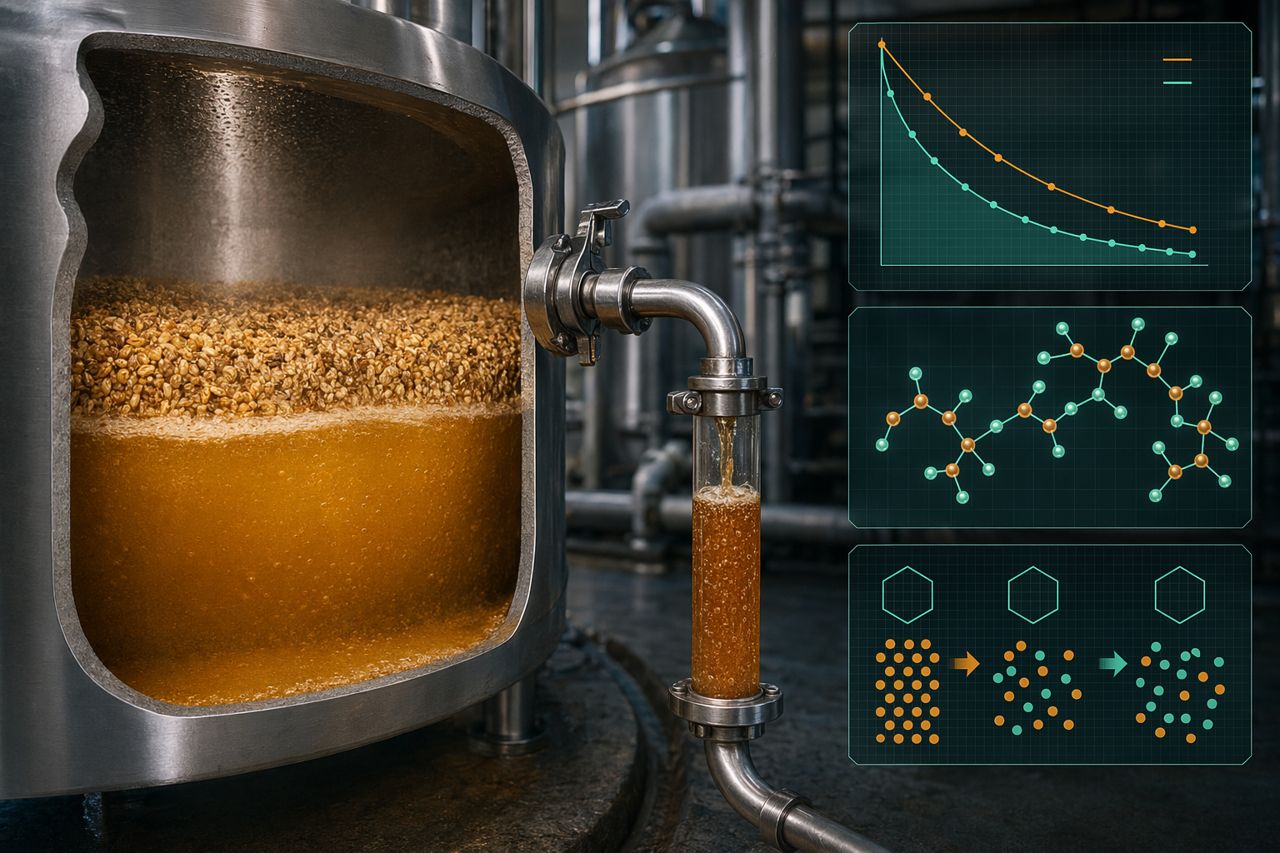
By reducing starch chain length, Fungal Alpha-Amylase can reduce thickening and improve flow in hydrated grain or starch systems. This is useful where mixing, pumping, filtration, or heat transfer is limited by high viscosity.
The key is controlled reduction. Too little activity may leave the system heavy and inconsistent. Too much can produce slack doughs, thin mashes, sticky textures, or downstream handling problems.
2. Fermentable sugar release
The enzyme releases smaller carbohydrates that can support fermentation. In baking, this can improve yeast nutrition and gas production where flour sugar availability is limited. In brewing or cereal fermentation, it can contribute to a more fermentable wort or mash profile when paired with the right process design.
The sugar profile depends on substrate, contact time, pH, temperature, and whether other enzymes are present.
3. Browning and flavor development
More reducing sugars can increase Maillard browning during baking, toasting, roasting, or other heat steps. This can improve crust color and flavor when controlled. It can also push color too far if the dosage, proof time, or thermal step is not balanced.
4. Crumb softness and shelf-life support
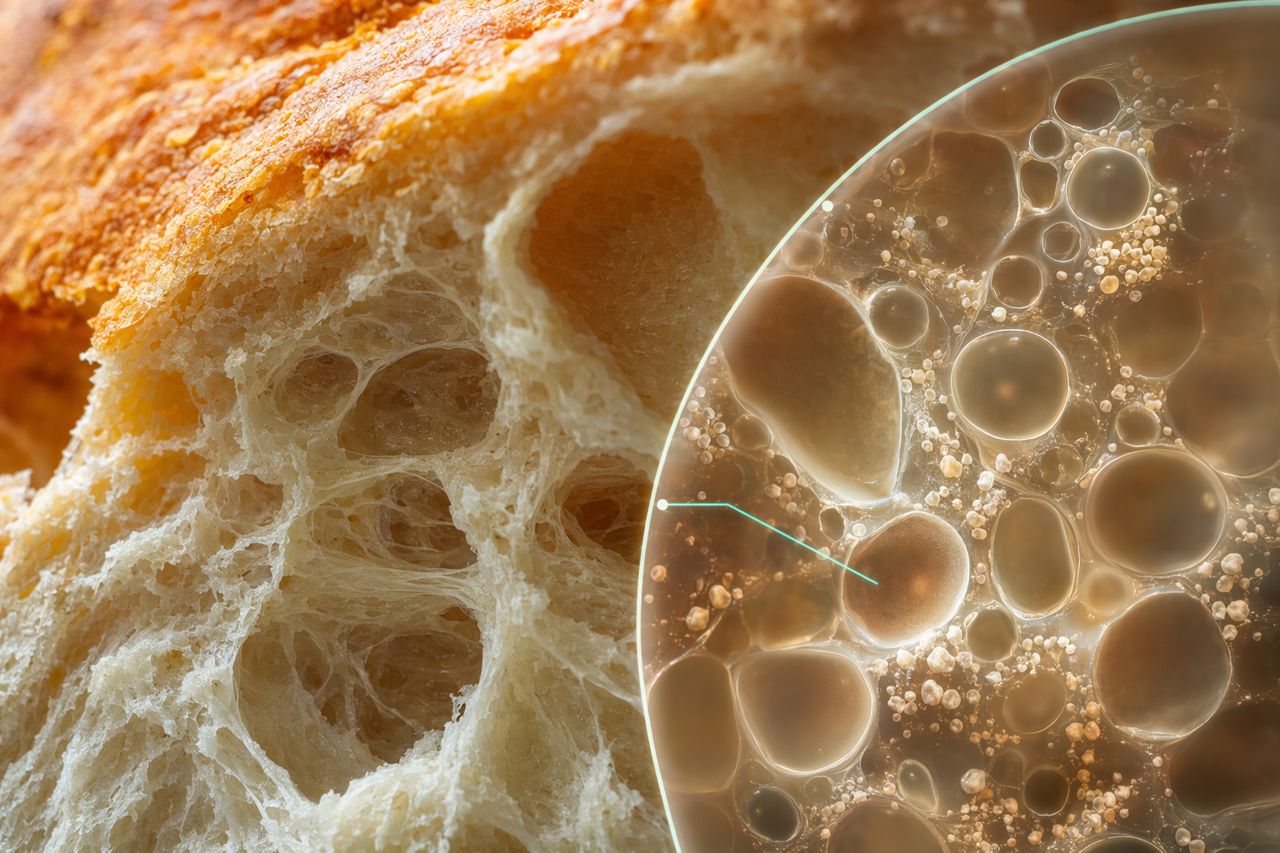
In bread and sweet bakery, controlled amylase activity can help manage starch behavior during baking and early storage. The result may be a softer eating profile and better crumb resilience, depending on the formula and process.
This benefit is formulation-dependent. Flour quality, sugar level, fat system, emulsifiers, fermentation schedule, and bake profile all influence the result.
Typical performance window
Fungal Alpha-Amylase is generally selected for processes that run in mild to moderately warm, slightly acidic to near-neutral environments. It is commonly used where a bacterial high-heat alpha-amylase would be too robust, too persistent, or poorly matched to the product profile.
For buyers and formulators, the important question is not only the nominal optimum. It is the usable window inside your process:
- When does the enzyme first contact hydrated starch?
- How long does it remain active before heat, pH shift, or process separation limits it?
- Is the starch raw, damaged, gelatinized, cooked, or partially converted?
- Are yeast, malt enzymes, acidulants, salts, sugars, or preservatives competing with the enzyme’s activity?
- Does the process need continued starch conversion, or a short, controlled pulse?
Fungal Alpha-Amylase Solutions supports application discussions around these practical variables without requiring buyers to disclose confidential production details beyond what is needed for fit assessment.
Application fit by sector
Bakery and flour-based foods
Fungal Alpha-Amylase is used to balance flour variability, improve fermentable sugar availability, support loaf volume, enhance crust color, and contribute to softer crumb characteristics.
Best-fit use cases include:
- Bread and rolls.
- Pan bread and sandwich bread.
- Sweet doughs where fermentation support is needed.
- Crackers and laminated flour systems requiring controlled starch modification.
- Flour correction where native amylase level is inconsistent.
Common control points:
- Flour damage level.
- Dough temperature and fermentation time.
- Sugar and yeast loading.
- Bake profile.
- Interaction with emulsifiers and other enzyme systems.
Over-application can lead to sticky dough handling, weak crumb, excessive browning, gummy eating quality, or reduced slice integrity.
Brewing and cereal mashing
In brewing and cereal conversion, Fungal Alpha-Amylase helps reduce starch viscosity and generate soluble carbohydrate fragments that can be further converted or fermented. It is especially relevant where adjuncts, specialty grains, or variable cereal quality create inconsistent mash behavior.
Common objectives include:
- Improved mash fluidity.
- Better extract availability.
- More consistent wort separation.
- Support for fermentability targets when used with complementary enzymes.
Process teams should evaluate mash temperature profile, pH, grist composition, and the intended attenuation profile before selecting an addition point.
Starch processing and fermentation feedstocks
For starch-based fermentation substrates, Fungal Alpha-Amylase can support controlled dextrinization and sugar availability before or during downstream conversion. It is often considered when the process requires moderate conditions and a restrained conversion profile.
Useful evaluation criteria include:
- Solids level and mixing intensity.
- Prior cooking or gelatinization.
- Desired viscosity reduction.
- Downstream enzyme compatibility.
- Final sugar spectrum required by the microorganism or process.
How to control the reaction
Fungal Alpha-Amylase is controlled through process design. The main levers are:
- Substrate accessibility — damaged or gelatinized starch is easier to hydrolyze than intact raw granules.
- Water availability — low water systems restrict enzyme mobility.
- pH fit — activity is strongest when the formulation sits within the enzyme’s working range.
- Thermal profile — temperature affects both reaction speed and eventual inactivation.
- Contact time — longer exposure increases conversion until substrate, conditions, or inactivation limit the reaction.
- Dosage discipline — small changes can be visible in dough handling, browning, viscosity, or fermentation.
- Ingredient interactions — sugars, salts, acids, preservatives, malt, and other enzymes can alter the observed result.
A good production trial measures outcome, not just addition rate: viscosity, dough handling, proof behavior, color, texture, extract, attenuation, or fermentation kinetics depending on the application.
Common formulation mistakes
Treating all starches as equal
Wheat, corn, rice, tapioca, barley, and specialty grains do not behave the same. Granule structure, amylose ratio, milling damage, and cooking history change enzyme access.
Adding enzyme before water can do its work
Dry blending may be convenient, but the enzyme only acts when water and substrate contact are sufficient. Mixing sequence can matter.
Ignoring carryover activity
If the process gives the enzyme a long active window, conversion may continue beyond the intended stage. This is a common reason for sticky doughs, weak texture, or excess color.
Expecting amylase to solve unrelated defects
Fungal Alpha-Amylase can influence starch conversion, but it cannot correct protein quality, poor mixing, inadequate fermentation control, microbial instability, or weak heat processing on its own.
Specification considerations for procurement
When sourcing Fungal Alpha-Amylase, procurement and technical teams should align on application fit before price comparison. Relevant commercial questions include:
- Powder or liquid format.
- Carrier system and dispersibility.
- Suitability for flour, mash, slurry, or fermentation use.
- Lot-to-lot consistency expectations.
- Documentation package required for your market.
- Labeling, allergen, and dietary-position requirements.
- Storage and handling conditions.
- Packaging size and pallet configuration.
- Trial quantity, production quantity, and lead time.
Fungal Alpha-Amylase Solutions positions Fungal Alpha-Amylase for teams that need a technically matched ingredient, not a generic line item.
What to test in a plant or pilot trial
For bakery trials, track:
- Dough absorption and mixing tolerance.
- Proof speed and gas retention.
- Crust color.
- Internal crumb texture.
- Sliceability and stickiness.
- Finished-product softness over the intended shelf window.
For brewing or cereal conversion trials, track:
- Mash or slurry viscosity.
- Extract or soluble solids trend.
- Filtration or lautering behavior.
- Fermentation profile.
- Final attenuation or residual carbohydrate profile.
- Sensory impact, if relevant.
For starch or fermentation feedstock trials, track:
- Initial and final viscosity.
- Pumping or mixing load.
- Conversion consistency.
- Downstream enzyme compatibility.
- Fermentation uptake or productivity indicators.
Bottom line
Fungal Alpha-Amylase works by cutting internal alpha-1,4 bonds in accessible starch, creating shorter dextrins and fermentable sugars. In production, that mechanism translates into practical control over viscosity, fermentation support, color development, texture, and process consistency.
The best results come from matching the enzyme to the substrate, process window, and quality target — then validating the effect under real operating conditions.
Ready for a quote? Use the inquiry form at the foot of this page. Tell us the product or application, the quantity, your preferred format and the delivery country. We quote price and lead time per order and tell you which documents are available for that grade.
Request pricing or application guidance
Tell us what you are making, the format you prefer, and the process outcome you need. Fungal Alpha-Amylase Solutions will help identify whether Fungal Alpha-Amylase is the right fit and provide pricing for the appropriate supply format.
Go to the inquiry form