What Is Fungal Alpha-Amylase?
Fungal Alpha-Amylase is a starch-converting enzyme used to break internal alpha-1,4 glycosidic bonds in gelatinized starch. In practical terms, it converts long starch chains into shorter dextrins and fermentable sugars that yeast, process microbes, or downstream enzymes can use more readily.
For formulation and production teams, its value is not abstract enzyme chemistry. It is process control: faster starch breakdown, more consistent fermentation substrate, improved dough handling, better crust color, and tighter control of sweetness, viscosity, and fermentability.
Fungal Alpha-Amylase is commonly selected when a moderate-temperature, food-processing-friendly amylase profile is preferred over high-heat bacterial alpha-amylase or deeper saccharification enzymes such as glucoamylase.
Fungal Alpha-Amylase Solutions supplies fungal alpha-amylase in bulk to businesses: flour mills and improver blenders, bakeries, brewers and distillers, starch processors, and the distributors and resellers who serve them. Every order is quoted individually.
Wholesale and bulk supply for manufacturers, distributors and resellers. Every fungal alpha-amylase order is quoted individually. Request a quote with the application, the quantity you need and the destination country.
The short definition
Fungal Alpha-Amylase is an endo-acting amylase produced by selected fungal fermentation strains, commonly from Aspergillus species. It acts inside starch molecules rather than cutting sugar units only from chain ends. This endo-action quickly reduces starch molecular size, creating a mix of soluble dextrins, maltose, maltotriose, and other short-chain carbohydrates.
It is especially relevant where the process goal is to loosen starch structure, increase fermentable extract, support yeast performance, or improve baked product appearance and texture without pushing the system into complete glucose conversion.
How it works on starch
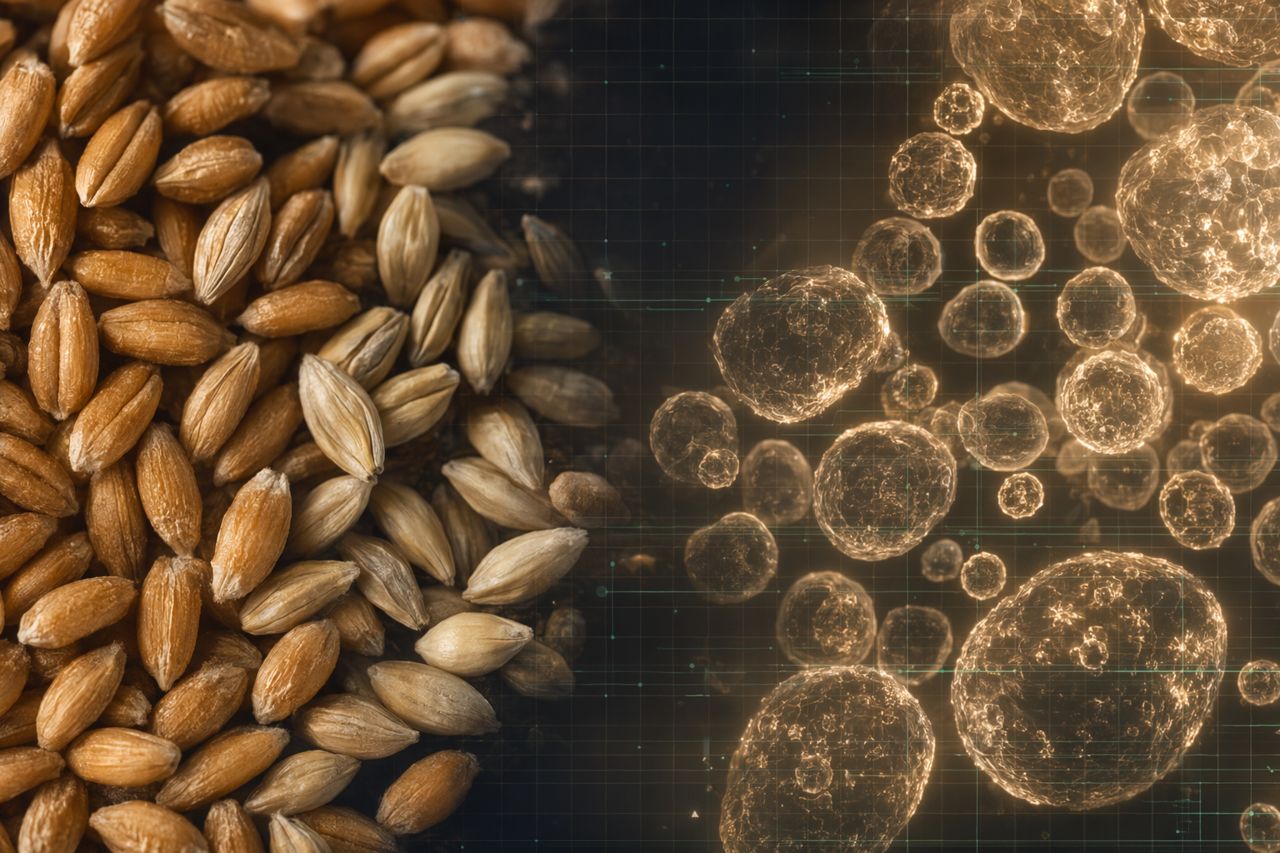
Starch contains two main structures: amylose, which is mostly linear, and amylopectin, which is branched. Fungal Alpha-Amylase attacks accessible alpha-1,4 linkages in these structures after starch has absorbed water and become available to enzymatic action.
The result is a controlled reduction in molecular weight:
- Long starch chains become shorter dextrins.
- Viscosity can decrease as starch structure opens.
- Fermentable sugars become more available.
- Yeast activity may become more consistent in dough or mash systems.
- Browning potential can increase through higher reducing sugar availability.
Because it is not primarily an alpha-1,6 debranching enzyme and is not a glucose-focused exo-enzyme, it is best understood as a starch-opening and dextrin-forming tool rather than a complete saccharification solution.
Typical performance window
Exact performance depends on product format, formulation matrix, substrate type, water availability, and process hold time. In general, Fungal Alpha-Amylase is used in mildly acidic to near-neutral food systems and moderate thermal processes.
Typical operating conditions often fall around:
- pH: approximately 4.5–6.0
- Temperature: commonly active in the 45–60 °C range, with process-dependent tolerance above or below that window
- Substrate: gelatinized or partially hydrated starch from wheat, corn, barley, rice, potato, tapioca, or mixed grain systems
- Process fit: dough fermentation, cereal slurry treatment, mashing support, starch hydrolysis pre-treatment, and controlled dextrin production
In bakery, the enzyme may continue working during early dough handling and proofing, then lose activity as the dough heats during baking. In beverage or cereal processing, the key question is whether the process temperature and pH profile leave enough active time for the desired hydrolysis before heat treatment, pH shift, or downstream processing stops the reaction.
Where Fungal Alpha-Amylase is used
Bakery and flour correction
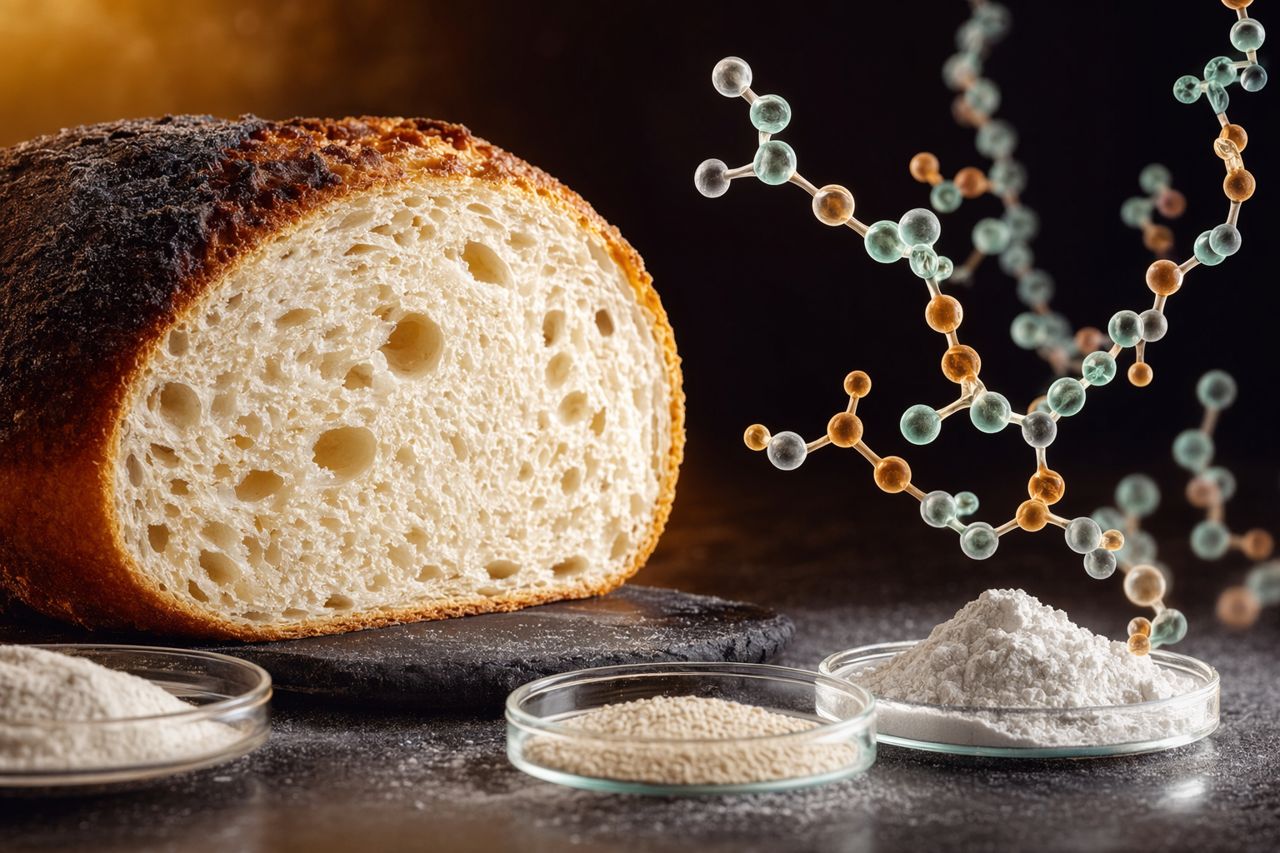
In bread, buns, rolls, steamed products, and other yeast-raised systems, Fungal Alpha-Amylase helps convert damaged or gelatinizing starch into sugars that support fermentation and crust color.
Common bakery objectives include:
- More reliable yeast nutrition
- Improved proofing consistency
- Better loaf volume and oven spring
- Enhanced crust color through increased reducing sugars
- Softer eating quality through balanced starch modification
- Reduced variability when flour enzyme activity is low or inconsistent
The target is balance. Too little activity may deliver no visible benefit. Too much can make crumb sticky, weaken slice quality, or create excessive color. Successful use depends on flour quality, damaged starch level, fermentation time, sugar system, and baking profile.
Brewing, distilling, and grain processing
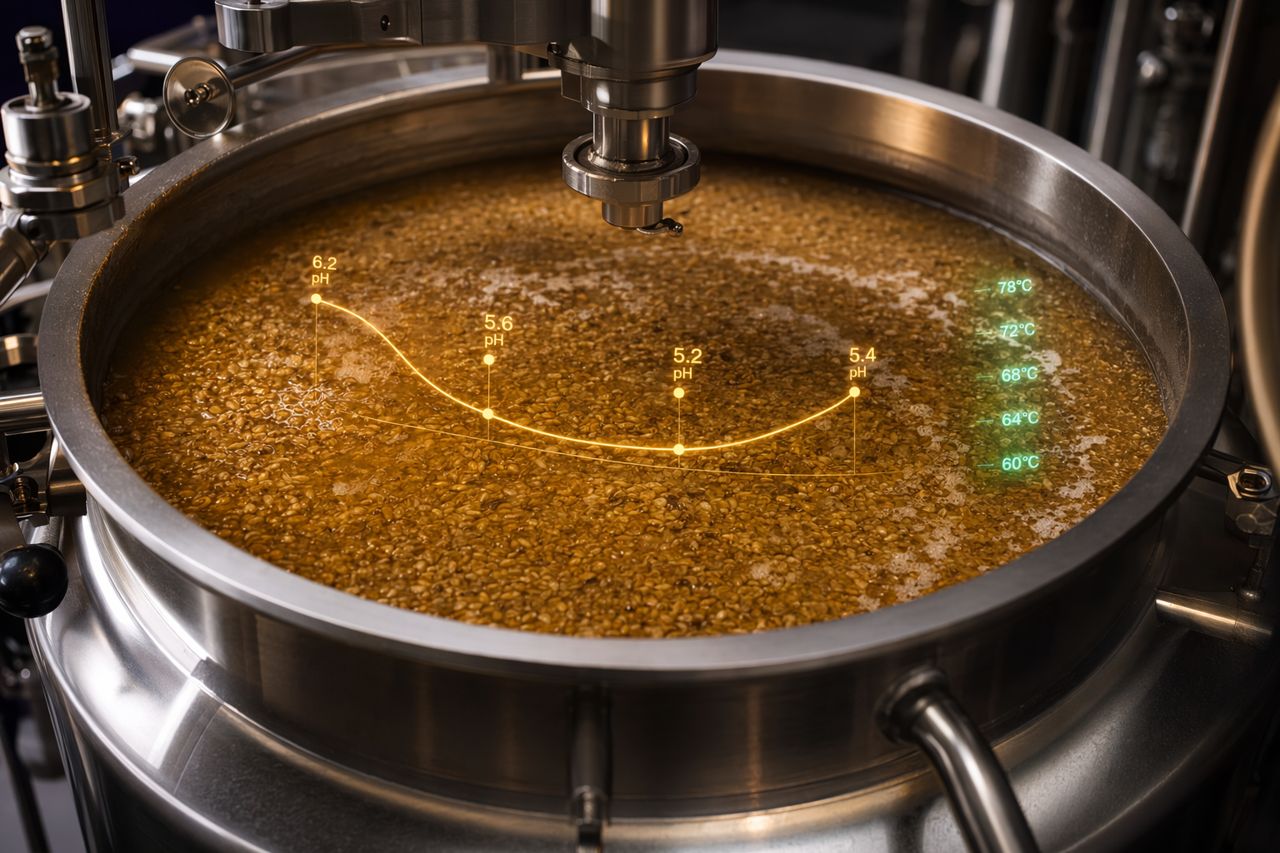
In brewing and grain-based fermentation, Fungal Alpha-Amylase can help open starch and improve the availability of soluble carbohydrates. It is often considered when working with adjuncts, variable malt quality, cereal cook streams, or processes that benefit from moderate-temperature starch conversion.
It can support:
- Increased extract from cereal substrates
- More predictable fermentable carbohydrate release
- Reduced starch haze risk when conversion is incomplete
- Improved consistency across raw material lots
- Better integration with malt enzymes or companion enzyme systems
For high-temperature liquefaction, a bacterial or thermostable alpha-amylase may be more appropriate. For high glucose yield, glucoamylase is usually paired downstream. Fungal Alpha-Amylase sits in the middle: useful for opening starch and creating fermentable material without necessarily driving full conversion.
Syrup, cereal, and ingredient manufacturing
In ingredient production, Fungal Alpha-Amylase can be used where controlled dextrin formation or viscosity reduction is required under food-compatible conditions. It may be part of a multi-enzyme process with glucoamylase, pullulanase, protease, or beta-amylase depending on the target carbohydrate profile.
Typical reasons to evaluate it include:
- Lower slurry viscosity before downstream conversion
- More consistent carbohydrate distribution
- Improved processability in cereal or grain slurries
- Controlled sweetness and fermentability
- Support for clean-label or enzyme-assisted processing strategies, subject to regional regulatory requirements
How it differs from other amylases
Selecting the right amylase means matching action pattern, process window, and final product target.
| Enzyme type |
Primary action |
Best fit |
Key distinction |
| Fungal Alpha-Amylase |
Endo-cleaves alpha-1,4 starch bonds |
Bakery, brewing support, moderate-temperature starch hydrolysis |
Balanced dextrin and sugar formation under food-processing conditions |
| Bacterial Alpha-Amylase |
Endo-cleaves starch, often more heat-tolerant |
Liquefaction, high-temperature slurry processes |
Better where thermal stability is critical |
| Beta-Amylase |
Releases maltose from chain ends |
Maltose-rich profiles, brewing and cereal conversion |
More maltose-directed, depends on accessible chain ends |
| Glucoamylase |
Releases glucose from chain ends and can act on branch points more slowly |
Saccharification and glucose production |
Drives higher glucose yield than alpha-amylase alone |
| Maltogenic Amylase |
Acts on starch-related substrates to influence crumb firming |
Anti-staling bakery systems |
Often selected for shelf-life texture management rather than primary starch opening |
Fungal Alpha-Amylase is often the right first question when a team asks: “Do we need more fermentable extract and better starch accessibility, but not a high-temperature liquefaction enzyme?”
Formulation and process variables that matter
Performance is not determined by enzyme choice alone. The surrounding matrix decides how much the enzyme can do.
Evaluate these variables during trials:
- Flour or grain source: wheat, barley, corn, rice, and tuber starches behave differently.
- Damaged starch level: more damaged starch can increase enzyme accessibility.
- Water availability: low-water dough systems restrict mobility and hydrolysis rate.
- pH profile: activity can drop when the system moves outside the usable range.
- Time before heat inactivation: longer proof, rest, mash, or hold steps can increase conversion.
- Sugar and salt levels: high solids can change water activity and enzyme mobility.
- Heat profile: rapid heating shortens the active window; slow heating extends it.
- Companion enzymes: xylanase, protease, glucoamylase, beta-amylase, or pullulanase can change final texture and carbohydrate profile.
The best trials compare the enzyme against a clear process endpoint: proof height, crumb structure, extract, viscosity, attenuation, color, fermentability, or residual starch behavior.
Buyer specification checklist
When sourcing Fungal Alpha-Amylase, request documentation that matches how the enzyme will be used and approved internally.
Useful procurement questions include:
- What is the declared enzyme name and production organism?
- Is the format liquid, powder, granulate, or coated preparation?
- What carrier or diluent system is used?
- What is the recommended food or feed application scope?
- What pH and temperature guidance is supplied for the intended process?
- What allergens, processing aids, or labeling considerations apply?
- Are kosher, halal, non-GMO, vegan, or regional compliance documents available if required?
- What microbiological, heavy metal, and contaminant specifications are provided?
- What shelf-life, storage temperature, and handling guidance apply?
- Is technical support available for pilot trials and scale-up?
For industrial buyers, the strongest supplier fit is usually the one that can connect documentation, application guidance, and supply continuity—not just provide a generic enzyme name.
Handling and storage considerations
As with many industrial enzymes, dust and aerosols should be controlled. Operators should follow site-specific safety procedures, avoid inhalation exposure, and use appropriate personal protective equipment during weighing, transfer, and cleaning.
Storage conditions depend on format, but common requirements include keeping the enzyme sealed, dry for powders, protected from excessive heat, and used within the stated shelf-life. Liquid formats may require different temperature controls and mixing procedures. Always align plant handling with the current technical and safety documentation for the exact product supplied.
When to choose Fungal Alpha-Amylase
Consider Fungal Alpha-Amylase when the process needs controlled starch opening under moderate conditions, especially in grain-forward applications where fermentation, browning, viscosity, or extract consistency matter.
It is a strong candidate when you need:
- More predictable yeast performance in bakery
- Improved crust color and volume without excessive sugar addition
- Better extraction from grain or cereal substrates
- A moderate-temperature amylase profile
- A cleaner division between starch opening and downstream saccharification
- A practical tool for correcting raw material variability
It may not be the first choice when the process requires high-temperature liquefaction, maximum glucose yield, or anti-staling performance as the primary objective. In those cases, a different amylase type or a combined enzyme system may be more appropriate.
Ready for a quote? Use the inquiry form at the foot of this page. Tell us the product or application, the quantity, your preferred format and the delivery country. We quote price and lead time per order and tell you which documents are available for that grade.
Request pricing or a technical fit review
If you are evaluating Fungal Alpha-Amylase for bakery, brewing, distilling, cereal processing, or ingredient manufacturing, share your process target and operating window. We can help align format, application fit, documentation, and supply requirements before you move into plant trials.
Go to the inquiry form